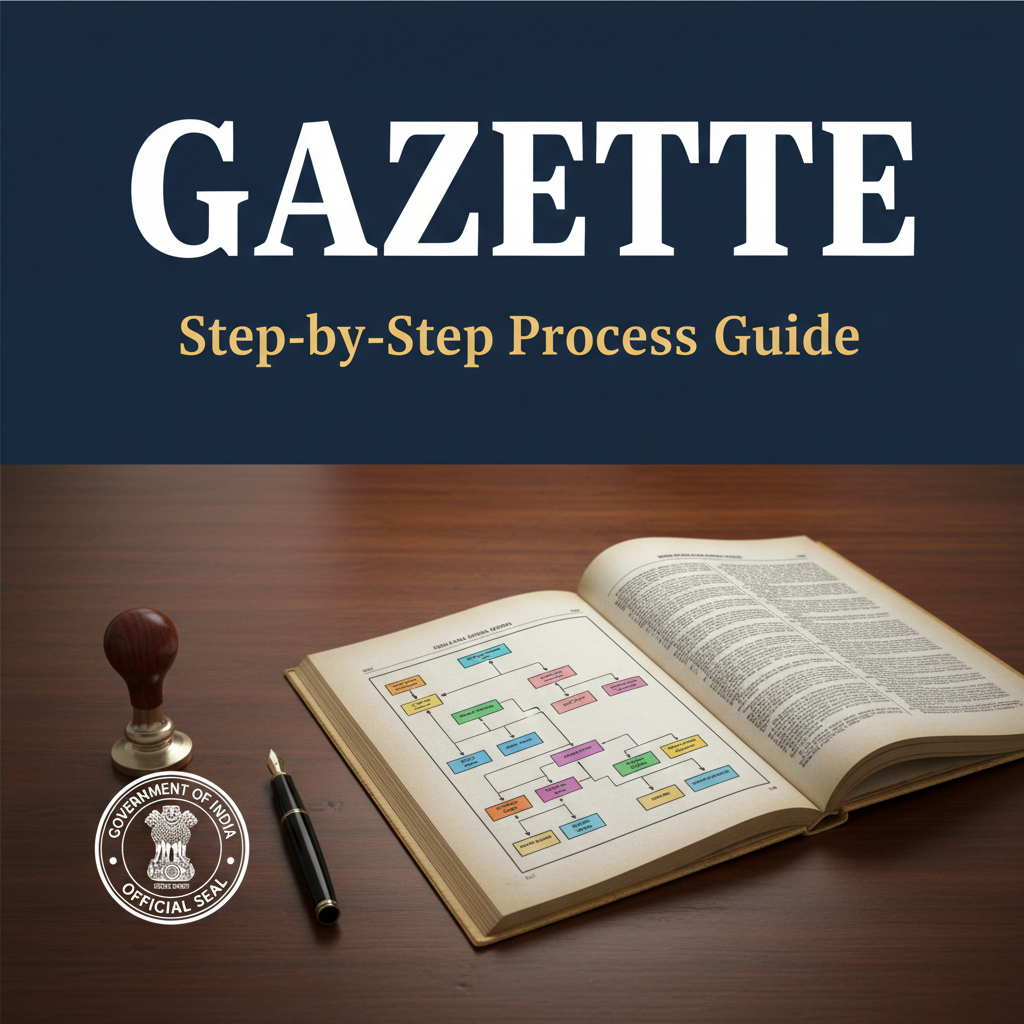
Name Change Gazette: A Simple Guide
Understand the usual name change Gazette process, paperwork and practical steps before you begin.

A Name Change Gazette is commonly used to place a formal public notice about a legally permissible change to your name. People may consider it after marriage, divorce, a spelling correction, a surname update, or a personal decision. The process can feel confusing at first because the paperwork and publication requirements may differ by case and by the concerned authority.
This guide explains the usual path in simple language. It is general information, not a government application or a guarantee of publication. Always confirm the latest requirements that apply to your situation.
What does a name change Gazette mean?
A Gazette is an official publication issued through a government authority. A name-change notice may be published in it after the required documents, declarations and procedures have been completed. The published notice can help you explain why your old and new names are connected when you later update records.
A Gazette notice does not automatically update every document. Each organisation, such as a bank, school, employer or identity-document authority, can have its own rules and supporting-document requirements.
Who may need a Gazette notice?
A Gazette notice may be relevant when you want a clear public record of a change, including:
- changing a full name or first name
- correcting a spelling variation or typographical error
- changing a surname after marriage or divorce
- restoring a former name
- changing a minor's name through a parent or guardian
- aligning name details where records do not match
The correct route depends on your reason, your documents and the applicable authority procedure. A small spelling correction and a complete name change may not require exactly the same paperwork.
Documents you may need to prepare
Start by gathering clear copies of the records that support your identity and your request. Common examples include identity proof, address proof, photographs, old-name records and documents explaining the reason for the change, where relevant.
You may also be asked for an affidavit, declaration, request letter, newspaper publication material, or a specific application format. For a marriage, divorce, adoption or minor-name case, extra supporting records may be relevant. Do not send sensitive originals unless the concerned authority specifically asks for them.
The usual steps in the process
1. Decide the exact name to use
Write your proposed name exactly as you want it to appear. Check spelling, initials, spacing and the order of names carefully. Small differences can create problems later when you use the notice to update other records.
2. Review your supporting records
Compare your identity and address documents. Note any mismatches before preparing the application. If your case relates to marriage, divorce, a child's name or another personal event, keep the relevant supporting records together.
3. Prepare declarations and publication material
The required documents are prepared according to the applicable procedure. This may include an affidavit or declaration, a request letter and the text needed for publication. Requirements can change, so confirm the current format before submitting anything.
4. Complete any required newspaper step
Some cases may involve publishing a notice in newspapers before or alongside the Gazette process. The appropriate newspapers, wording and timing depend on the rules that apply to your case.
5. Submit through the correct channel
Submit the complete set through the authority or channel that applies to you. Keep copies of everything submitted, along with receipts, acknowledgement details and publication records.
6. Use the published notice carefully
After publication, you can approach organisations where you need records updated. Ask each organisation what it requires. The Gazette notice may be one part of a wider document set.
How to avoid common delays
The most useful preparation is simple: use the same spelling everywhere, provide readable copies, and check that your declarations and supporting records agree. Incomplete forms, unclear photographs, mismatched dates or different versions of the new name can lead to questions or delays.
Avoid relying on old online checklists without confirming whether they still apply. Authority procedures, charges, formats and timelines can change.
A practical next step
If you are unsure which documents apply to your situation, begin with a private review of the facts and the records you already have. Clear preparation can help you understand possible next steps before you submit. Publication and approval remain subject to the rules, procedure and discretion of the concerned authority.
Explore Topics
Written by
BookMyGazette.com Team
Content creator and writer sharing insights and stories.