Name Change After Divorce: What to Know
A calm, practical guide to preparing for a name or surname change after divorce.

After divorce, you may decide to continue using your current name or return to a former name. Either choice is personal. If you choose to update your name or surname, good preparation can help you approach the process with more confidence.
This guide shares general information about the usual document and publication steps. It is not legal advice and does not guarantee that a particular record will be updated.
Decide which name you want to use
Write your intended full name exactly as you want it to appear on future records. Check spelling, initials and surname order. If you are returning to a former name, compare it with earlier documents to avoid introducing a new variation.
Use the same proposed name across all relevant forms and declarations. Consistency is one of the simplest ways to prevent avoidable questions.
Gather records that explain the change
You may need identity proof, address proof, recent photographs and documents showing your present name. Divorce-related records may be useful to explain why you are seeking an update. The documents required will depend on the organisation or authority you approach.
Keep only genuine, readable copies. If a document contains sensitive personal information, share it only through an appropriate and requested channel.
Understand the possible steps
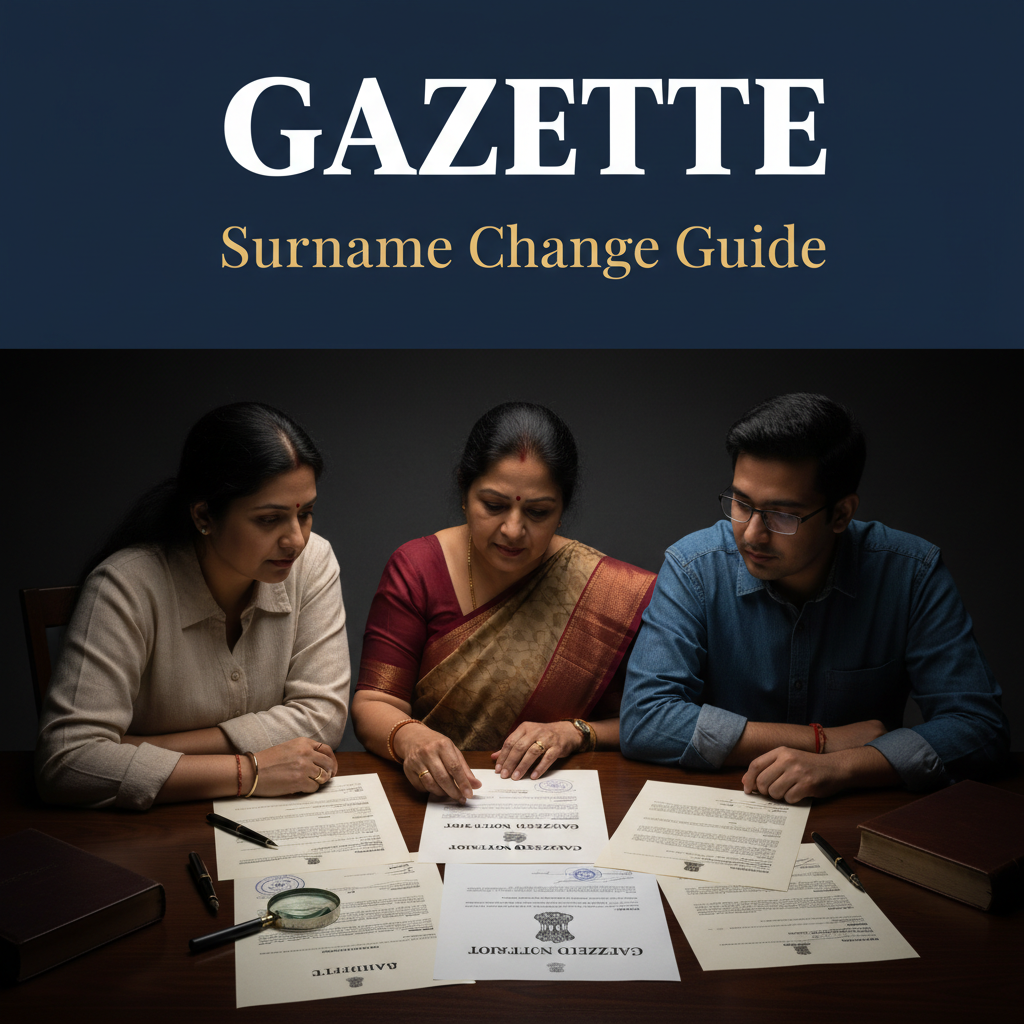
Some name updates may require a declaration, affidavit, request letter, newspaper notice or Gazette-related material. The required route can vary depending on your case and the record you want to update.
A Gazette publication, where applicable, is not a single automatic update for all records. You may still need to approach banks, employers, identity-document authorities, educational institutions and other organisations separately.
Prepare in a calm, organised way
Make a document list
List every important record that uses your current name. Consider identity records, financial accounts, work documents, education records, insurance and travel documents. You can then decide which updates are most urgent.
Check dates and spelling
Before submitting, compare your old name, proposed name and personal details across all papers. Simple differences in initials or spellings may need to be explained.
Confirm current rules before filing
Procedures, formats and supporting-document requirements can change. Use current information from the relevant organisation rather than relying only on an old checklist.
Keep proof of each request
Save copies of completed forms, receipts, acknowledgements and notices. These records may be useful when you update another document later.
Frequently asked questions
Do I have to change my name after divorce?
No. Choosing to keep or change your name is personal. You only need to follow an update process if you decide to use a different name on your records.
Can I return to the name I used before marriage?
Many people consider returning to a former name, subject to the procedure and evidence accepted by the relevant authority or organisation.
Should I update every record immediately?
Not necessarily. You may start with records needed for daily life, travel, work or banking. Keep the documents that link your old and new names for later updates.
A clear next step
Start by choosing one exact name and putting your supporting records in order. If your documents have several different versions of your name, a private review can help you understand possible next steps. Any publication or update remains subject to the applicable procedure and the decision of the concerned authority.
Explore Topics
Written by
BookMyGazette.com Team
Content creator and writer sharing insights and stories.